

U.S. Soy Farmers Champion Biodiversity
In the United States, soy cultivation and biodiversity efforts go hand in hand, writes Abby Rinne, Sustainability Director at the U.S. Soybean Export Council. Discover more about U.S Soy farmers’ […]
Read more
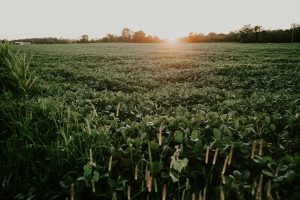
In the United States, soy cultivation and biodiversity efforts go hand in hand, writes Abby Rinne, Sustainability Director at the U.S. Soybean Export Council. Discover more about U.S Soy farmers’ […]
Read more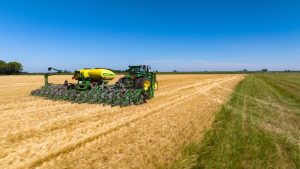
29 August 2023: An independent assessment of the U.S. soybean industry’s value to the economy.
Read more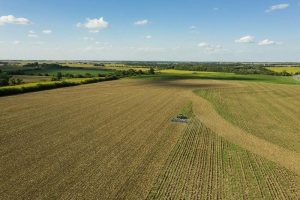
The American soybean industry is an economic powerhouse that contributes a staggering $124 billion to the U.S. economy per year – a 0.6 percent share of the U.S. GDP. It […]
Read more
12 June 2023: Twenty years of trends in U.S. soybean production practices, costs, and returns.
Read more
From deforestation and subsequent loss of biodiversity to GHG emissions, soy production often gets bad press. Hear the other side of the story from Mac Marshall, Vice President, Market Intelligence, The United Soybean Board, as he asserts the benefits of soy cultivation.
Read more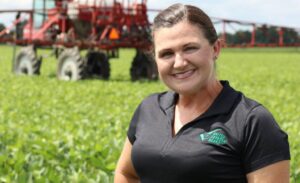
Fourth-generation Alabama farmer Wendy Yeager grows multiple crops on her 445-hectare family farm near Orrville, from soybeans to cotton. She describes herself as a front-line conservationist for whom sustainability is a way of life.
Read more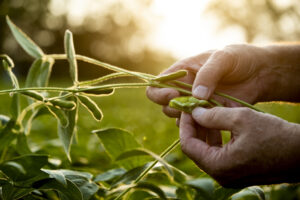
The U.S. Soy Sustainability Assurance Protocol (SSAP), which verifies and documents sustainable soy production, has earned Silver Level Equivalence when benchmarked with the Sustainable Agriculture Initiative Platform (SAI Platform)’s Farm […]
Read more
Soil health is top of mind for U.S. soybean farmer Kenny Brinker.
Read more
U.S. farmers are producing 130% more soy today on roughly the same amount of land they have been using for decades, with further improvements targeted by 2025.
Read more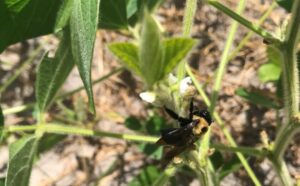
That’s according to research from North Carolina State University, which found that soybean crops planted near pollinator habitats produce beans that are 6.5% heavier than those in distant fields.
Read more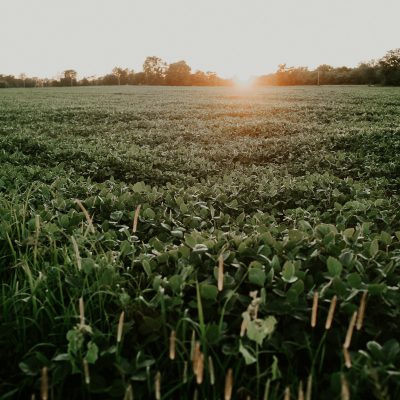
In the United States, soy cultivation and biodiversity efforts go hand in hand, writes Abby Rinne, Sustainability Director at the U.S. Soybean Export Council. Discover more about U.S Soy farmers’ […]
Read more
29 August 2023: An independent assessment of the U.S. soybean industry’s value to the economy.
Read more
The American soybean industry is an economic powerhouse that contributes a staggering $124 billion to the U.S. economy per year – a 0.6 percent share of the U.S. GDP. It […]
Read more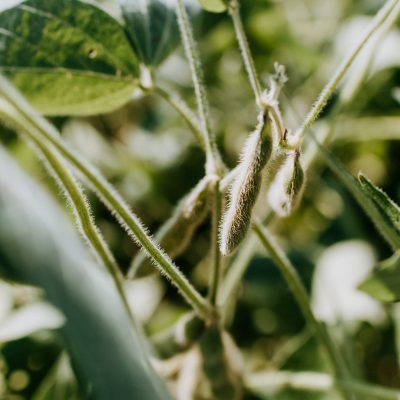
12 June 2023: Twenty years of trends in U.S. soybean production practices, costs, and returns.
Read more
From deforestation and subsequent loss of biodiversity to GHG emissions, soy production often gets bad press. Hear the other side of the story from Mac Marshall, Vice President, Market Intelligence, The United Soybean Board, as he asserts the benefits of soy cultivation.
Read more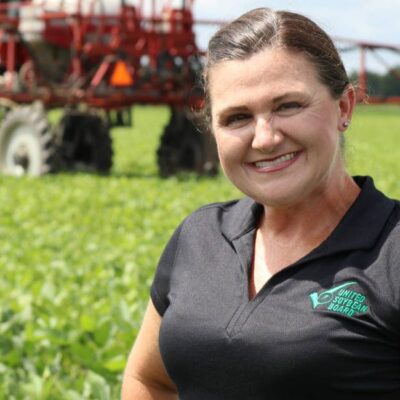
Fourth-generation Alabama farmer Wendy Yeager grows multiple crops on her 445-hectare family farm near Orrville, from soybeans to cotton. She describes herself as a front-line conservationist for whom sustainability is a way of life.
Read more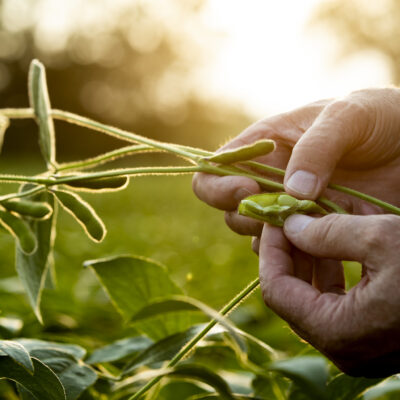
The U.S. Soy Sustainability Assurance Protocol (SSAP), which verifies and documents sustainable soy production, has earned Silver Level Equivalence when benchmarked with the Sustainable Agriculture Initiative Platform (SAI Platform)’s Farm […]
Read more
Soil health is top of mind for U.S. soybean farmer Kenny Brinker.
Read more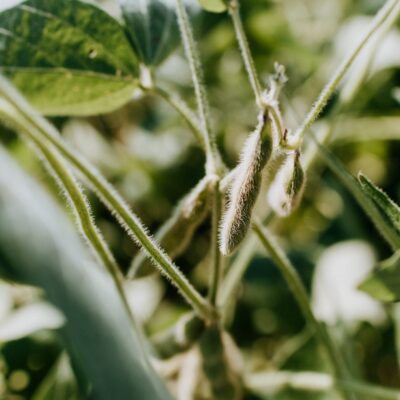
U.S. farmers are producing 130% more soy today on roughly the same amount of land they have been using for decades, with further improvements targeted by 2025.
Read more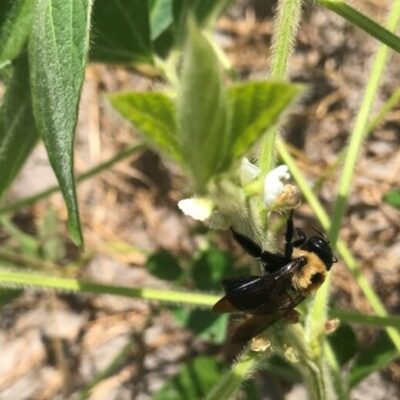
That’s according to research from North Carolina State University, which found that soybean crops planted near pollinator habitats produce beans that are 6.5% heavier than those in distant fields.
Read more
There’s more to our food than meets the eye, writes Kent Swisher of the North American Renderers Association (NARA) in a guest blog for SustMeme.
Read more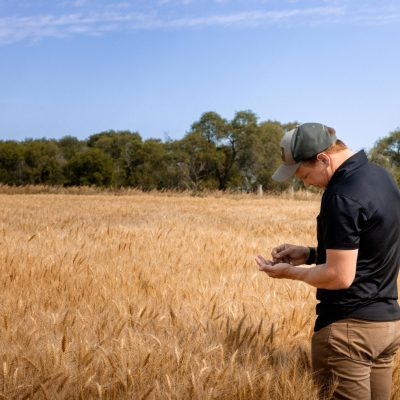
At Jorgensen Land & Cattle in Ideal, South Dakota, innovation and tradition go hand in hand.
Read more
Environmental protection and sustainability have lost significant importance under the current U.S. administration. However, Nick Gardner, Chair of the U.S. Sustainability Alliance (USSA), believes this will have little impact on the alliance’s long-term goals.
Read more
Read the latest USSA Insight Paper: Water Stewardship in U.S. Agriculture
Read more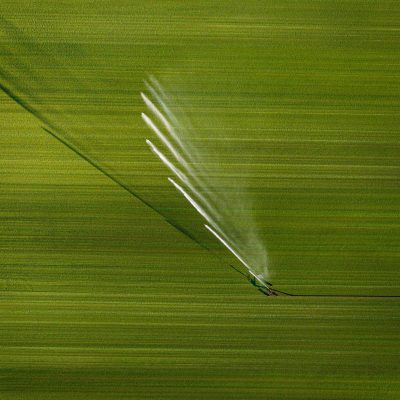
May 2026. A national assessment examining how irrigated agriculture is changing across the United States and what this means for future food production, water management, and rural resilience.
Download now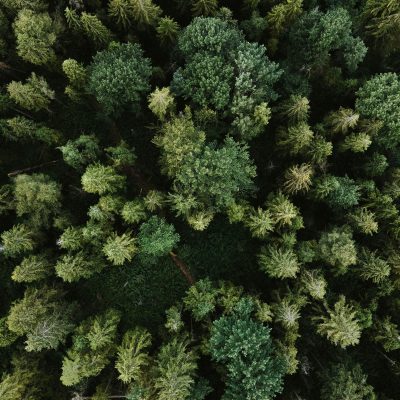
April 2026. A climate-informed study warning that many of California’s most recognizable tree species may be more vulnerable to decline than current conservation assessments suggest.
Download now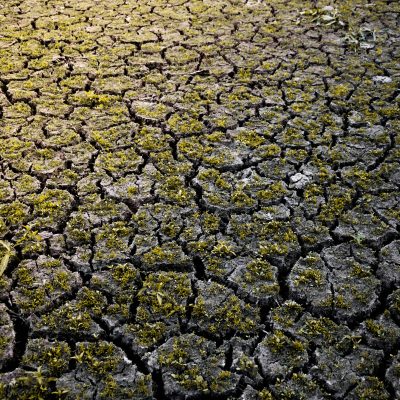
April 2026. A joint report examining how rising temperatures and more frequent heatwaves are affecting crops, livestock, fisheries, forests and agricultural workers.
Download now
March 2026. A comprehensive farm-to-fork analysis highlighting the scale and economic importance of the U.S. food and agriculture industry.
Download now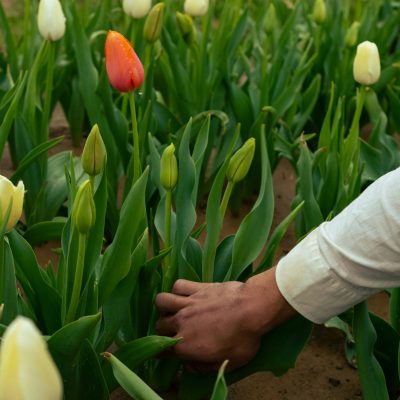
This month focuses on technology and innovation. We highlight a new initiative aimed at accelerating U.S. farmers’ adoption of emerging technologies - real-world testing and performance data are key.
Read moreThere’s more to our food than meets the eye, writes Kent Swisher of the North American Renderers Association (NARA) in a guest blog for SustMeme.
Read moreAt Jorgensen Land & Cattle in Ideal, South Dakota, innovation and tradition go hand in hand.
Read more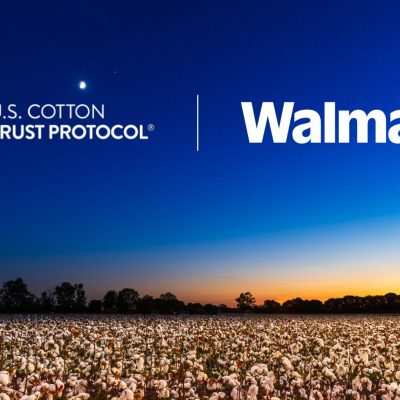
Walmart has joined the U.S. Cotton Trust Protocol, a move that is a major boost for sustainable cotton sourcing in the retail industry and highlights Walmart’s focus on regeneration and transparency in its supply chain.
Read more
Whilst the USSA members work to exceed regulatory requirement, U.S. laws and regulations provide a robust framework, developed over many years, to ensure and promote the sustainability of its crop, livestock, seafood and forestry sectors. The policies look to immediate impacts on the environment and beyond to cover topics from employment to biodiversity to endangered species. The following pages provide context and an introduction to key federal legislation.

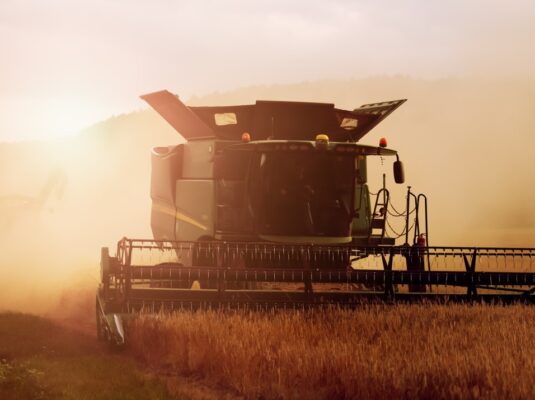
Focused on conservation and environmental stewardship, the USDA, working with The Natural Resources Conservation Service on technical assessment and the Farm Service Agency for enforcements, uses grant management to deliver best practice. A particular focus is on erodible lands and wetlands, with ‘sodbuster’ and ‘swampbuster’ rules, requires presentation of conservation strategies prior to conversion of lands to agricultural use. One result, that soil loss has been halved since 1982.
The U.S. recognizes that sustainability has many facets and action is required in explicit areas. This has resulted in the enactment of a wide range of laws from the Clean Water Act and Clean Air Act to the Endangered Species Act, to research and regulatory action on Insecticides and Fungicides and Rodenticide Act; and, with the Lacey Act a focus on illegal trafficking of plants, fish and animals.
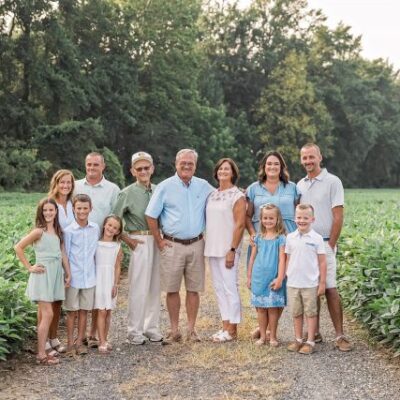
In the latest episode of This is U.S. Sustainability, we hear from two multi-generational farmers – an eleventh-generation grains farmer from Maryland and the owner of a centennial cattle farm in Louisiana – about how they have moved with the times while staying true to their roots. We cover rotational grazing, no-till cultivation, water conservation, biotech seeds, and more. And we discuss why going back to the natural cycle is sometimes the best approach.
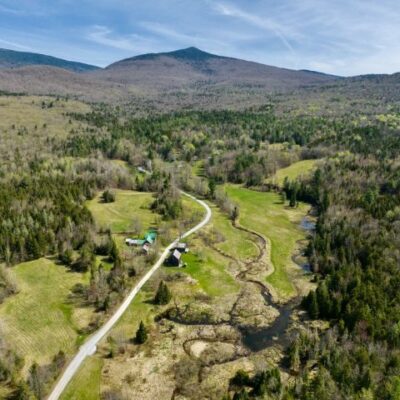
Tune in to the latest episode of This is U.S. Sustainability to hear how Paul Catanzaro and Professor Tony D’Amato work together to reach family forest owners and ensure they have the information and resources to make the right decisions about their land. And learn about the vital role Tim Stout, a Vermont landowner, plays in amplifying their message.

Tune in for the lowdown on the innovative, often surprising ways the almond industry and the wider food sector are reducing waste. Jet fuel, beer, water filters and peat moss to grow mushrooms – these are just some of the many applications in use and under development.
Discover how softwoods were used in the architecture of PDX Main Terminal, Portland, Oregon, in this new series from the Softwood Export Council.
Watch nowThis new series from the Softwood Export Council spotlights the global reach and versatility of American softwoods in architecture, offering a behind-the-scenes look at sustainable forestry practices.
Watch nowThis new series from the American Feed Industry Association explores the $267 billion U.S. animal food industry, offering insights into its scale and impact.
Watch now