

Meet the Soil Health Advocate Who Hosted President Biden on His Farm
A certified Sustainability Specialist, Jeff uses a variety of conservation practices to boost his already-fertile land, the result of a glacial outwash event.
Read more

A certified Sustainability Specialist, Jeff uses a variety of conservation practices to boost his already-fertile land, the result of a glacial outwash event.
Read more
This Earth Day, The U.S. Sustainability Alliance highlights some of the many American farmers and producers championing environmental sustainability.
Read more
This latest CEAP report shows that farmers have done an outstanding job over the years in using innovative conservation strategies that help mitigate climate change.
Read more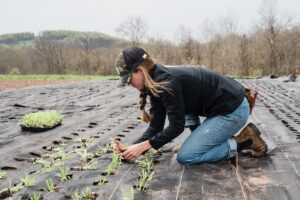
Women play a vital role in American agriculture. More than half (51%) of all farming operations in the United States have at least one female operator, according to the 2019 Agricultural Resource Management Survey.
Read more
Soil health practices, especially cover crops, are the focus of new climate-smart initiatives from The USDA Natural Resources Conservation Service (NRCS).
Read more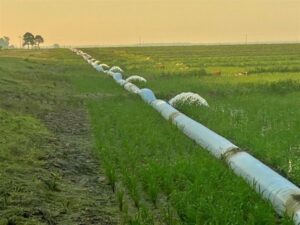
USSA spoke to him about water conservation and some of the innovative irrigation practices he implements on his farm.
Read more
In this exclusive article, SIGWATCH Head of Research Charlotte Moore explains more about this emerging trend, what it means for the agriculture sector and how it can mitigate the risk.
Read more
Technology and innovation go under the microscope in the latest episode of USSA’s new podcast series – a top 60 sustainability podcast as voted by Feedspot.
Read more
He spoke to us about the precise cost, productivity and sustainability benefits of using the right amount of fertilizer where it’s needed and reducing tillage passes on his fields.
Read more
Increasing urbanization, erosion, nutrient imbalance, intensive farming and climate change are placing huge demands on the availability and health of the world’s earth. In many croplands across the world, the layer of fertile topsoil is thinning, making it more difficult to grow crops for food.
Read more
A certified Sustainability Specialist, Jeff uses a variety of conservation practices to boost his already-fertile land, the result of a glacial outwash event.
Read more
This Earth Day, The U.S. Sustainability Alliance highlights some of the many American farmers and producers championing environmental sustainability.
Read more
This latest CEAP report shows that farmers have done an outstanding job over the years in using innovative conservation strategies that help mitigate climate change.
Read more
Women play a vital role in American agriculture. More than half (51%) of all farming operations in the United States have at least one female operator, according to the 2019 Agricultural Resource Management Survey.
Read more
Soil health practices, especially cover crops, are the focus of new climate-smart initiatives from The USDA Natural Resources Conservation Service (NRCS).
Read more
USSA spoke to him about water conservation and some of the innovative irrigation practices he implements on his farm.
Read more
In this exclusive article, SIGWATCH Head of Research Charlotte Moore explains more about this emerging trend, what it means for the agriculture sector and how it can mitigate the risk.
Read more
Technology and innovation go under the microscope in the latest episode of USSA’s new podcast series - a top 60 sustainability podcast as voted by Feedspot.
Read more
He spoke to us about the precise cost, productivity and sustainability benefits of using the right amount of fertilizer where it’s needed and reducing tillage passes on his fields.
Read more
Increasing urbanization, erosion, nutrient imbalance, intensive farming and climate change are placing huge demands on the availability and health of the world’s earth. In many croplands across the world, the layer of fertile topsoil is thinning, making it more difficult to grow crops for food.
Read more
What does the new EU Deforestation Regulation mean for U.S. hardwood exporters?
Read more
Stephanie Wetter, Director of Animal Welfare at the National Pork Board, shares her perspective on why there is no substitute for visiting a farm and seeing firsthand the reality of pork production.
Read more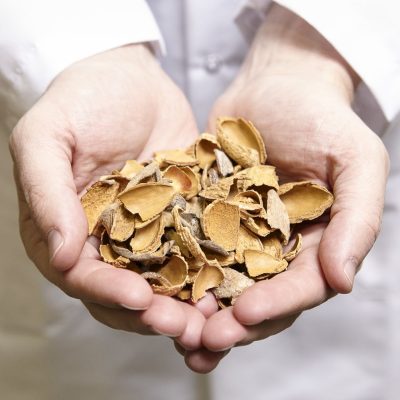
There’s more to our food than meets the eye, writes Kent Swisher of the North American Renderers Association (NARA) in a guest blog for SustMeme.
Read more
At Jorgensen Land & Cattle in Ideal, South Dakota, innovation and tradition go hand in hand.
Read more
September 2026. A new long-term outlook examines how population, income, technology, and climate could reshape food demand, agricultural production, trade, resource use, and food security over the next 25 years.
Download now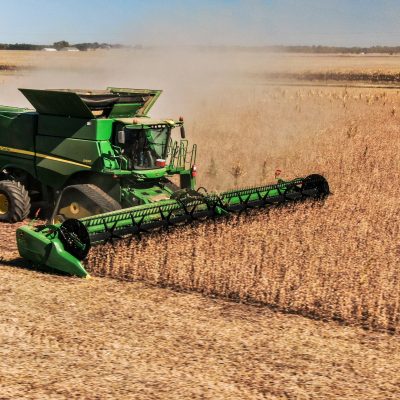
September 2026. Virginia Tech’s annual GAP Report finds global agricultural productivity growth has fallen to its lowest rate in 50 years, increasing pressure on farmers, food systems and natural resources.
Download now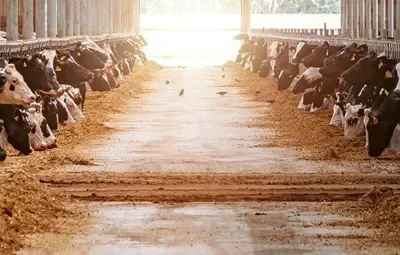
September 2026. An annual review of the U.S. animal food industry highlights its economic contribution and progress in areas including food safety, sustainability, supply chain resilience and international trade.
Download now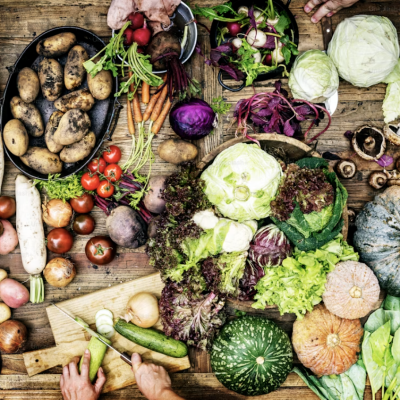
September 2026. A global modelling study examines how healthier diets, improved productivity and reduced food waste could reshape agricultural production, land use and emissions by 2050.
Download now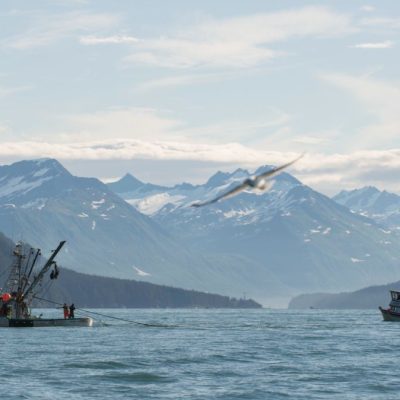
Welcome to our latest newsletter! This month, we highlight California’s leadership in sustainability and agricultural exports, as inspired by our recent press trip.
Read more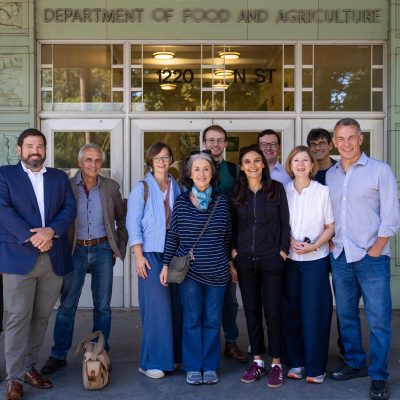
The annual U.S. Sustainability Alliance press trip gives international journalists a unique opportunity to engage directly with farmers and ranchers and gain firsthand insights into sustainability practices. This year, we travelled to California, the leading agricultural-exporting state and home to some 400 commodities and crops.
Read more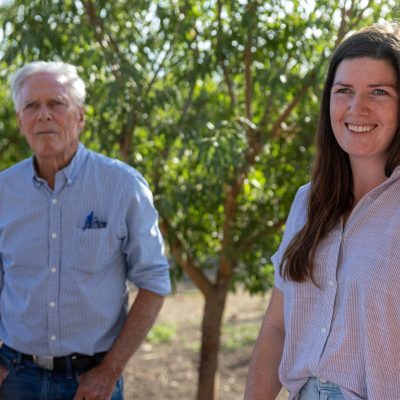
Sierra Orchards, a family farm located along the Putah Creek in Winters, California, has a long history of producing organic walnuts. However, as we learned when we met Craig McNamara and his daughter Emily on our recent USSA press trip, the farm is currently in transition. Facing market uncertainty and competition, the orchard is expanding into almonds, which it will grow conventionally at first, along with other crops.
Read more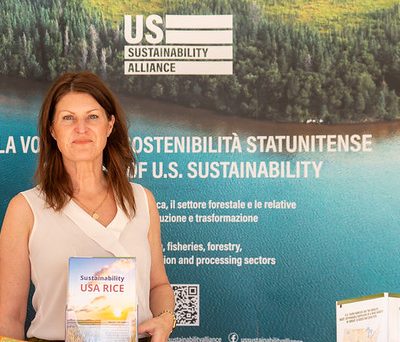
From 8–12 October 2026, U.S. Sustainability Alliance members were in Rome for From Seeds to Foods, where they showcased how sustainable, innovative American agriculture feeds a growing world. Organized by the Food and Agriculture Organization of the United Nations (FAO), the global event takes visitors from farm to table and shows how agrifood systems work in practice.
Read more
Whilst the USSA members work to exceed regulatory requirement, U.S. laws and regulations provide a robust framework, developed over many years, to ensure and promote the sustainability of its crop, livestock, seafood and forestry sectors. The policies look to immediate impacts on the environment and beyond to cover topics from employment to biodiversity to endangered species. The following pages provide context and an introduction to key federal legislation.

Focused on conservation and environmental stewardship, the USDA, working with The Natural Resources Conservation Service on technical assessment and the Farm Service Agency for enforcements, uses grant management to deliver best practice. A particular focus is on erodible lands and wetlands, with ‘sodbuster’ and ‘swampbuster’ rules, requires presentation of conservation strategies prior to conversion of lands to agricultural use. One result, that soil loss has been halved since 1982.
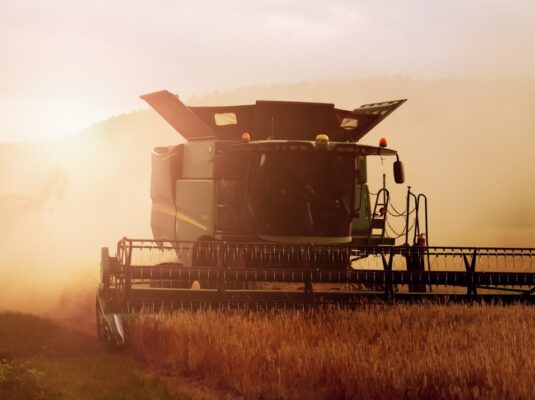
The U.S. recognizes that sustainability has many facets and action is required in explicit areas. This has resulted in the enactment of a wide range of laws from the Clean Water Act and Clean Air Act to the Endangered Species Act, to research and regulatory action on Insecticides and Fungicides and Rodenticide Act; and, with the Lacey Act a focus on illegal trafficking of plants, fish and animals.
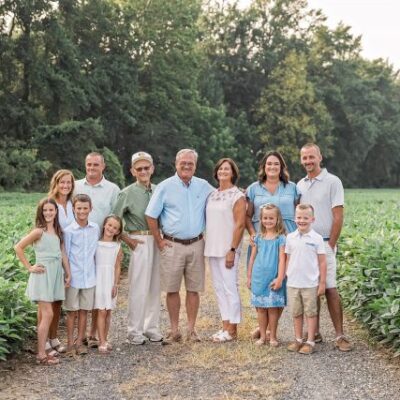
In the latest episode of This is U.S. Sustainability, we hear from two multi-generational farmers – an eleventh-generation grains farmer from Maryland and the owner of a centennial cattle farm in Louisiana – about how they have moved with the times while staying true to their roots. We cover rotational grazing, no-till cultivation, water conservation, biotech seeds, and more. And we discuss why going back to the natural cycle is sometimes the best approach.
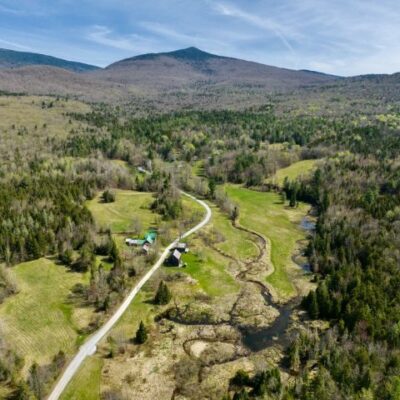
Tune in to the latest episode of This is U.S. Sustainability to hear how Paul Catanzaro and Professor Tony D’Amato work together to reach family forest owners and ensure they have the information and resources to make the right decisions about their land. And learn about the vital role Tim Stout, a Vermont landowner, plays in amplifying their message.

Tune in for the lowdown on the innovative, often surprising ways the almond industry and the wider food sector are reducing waste. Jet fuel, beer, water filters and peat moss to grow mushrooms – these are just some of the many applications in use and under development.
Discover how softwoods were used in the architecture of PDX Main Terminal, Portland, Oregon, in this new series from the Softwood Export Council.
Watch nowThis new series from the Softwood Export Council spotlights the global reach and versatility of American softwoods in architecture, offering a behind-the-scenes look at sustainable forestry practices.
Watch nowThis new series from the American Feed Industry Association explores the $267 billion U.S. animal food industry, offering insights into its scale and impact.
Watch now