

It’s (Virtual) Open House at This Fifth-Generation Sustainable Soybean Grower’s Farm
Doug Winter is a fifth-generation soybean grower from Mill Shoals, Illinois and the vice chairman of the U.S. Soybean Export Council.
Read more
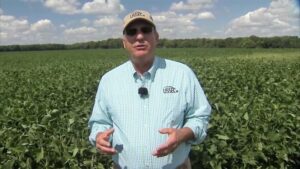
Doug Winter is a fifth-generation soybean grower from Mill Shoals, Illinois and the vice chairman of the U.S. Soybean Export Council.
Read more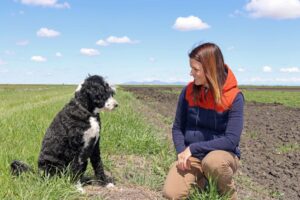
11 years ago, former science teacher Kim Gallagher swapped the classroom for the farm.
Read more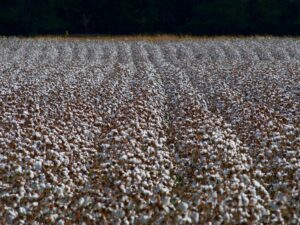
Lloyd Arthur is a fifth-generation cotton farmer living in Ralls, Texas and whohas created an award-winning farming operation.
Read more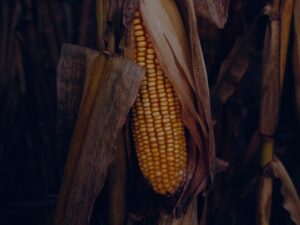
The initiative will focus on row crop rotations to build on the company’s 2030 climate commitment.
Read more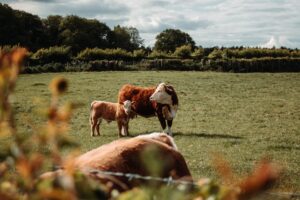
Tina Hinchley is a dairy farmer in Cambridge, Wisconsin – America’s dairy land. She and husband Duane grow around 2,300 acres of crops, not only to be used as cattle […]
Read more
The past decade has brought a wave of conscientiousness as consumers, especially Millennials and Gen-Z’s, seem more interested than ever before to know more about their food’s journey before it […]
Read more
Food Export USA – Northeast is a non-profit organization that promotes the export of food and agricultural products from the northeast region of the United States. The organization has been helping exporters of northeast food and agricultural products sell their products overseas since 1973, when it was first created as a cooperative effort between 10 northeastern state agricultural promotion agencies and the United States Department of Agriculture’s Foreign Agricultural Service (FAS). Food Export-Northeast, in conjunction with its member states, provides a wide range of services to facilitate trade between local food suppliers and importers around the world. These services include: export promotion, customized export assistance, and a cost-share funding program.
Read more
Indiana corn and soybean farmer Rick Clark is Field to Market’s Farmer of the Year 2019, recognized for “outstanding conservation efforts on his farm and leadership in advancing sustainable agriculture”. […]
Read more
USA Rice farmer, Jennifer James, spoke to Farmers Guardian, a leading UK farming publication, about her life and what it is really like growing rice, corn and soybeans in Arkansas. […]
Read more
The United States has been practicing sustainability long before it became the issue it is today. Our farmers, fishermen, foresters and partners across a range of industries are committed to […]
Read more
Doug Winter is a fifth-generation soybean grower from Mill Shoals, Illinois and the vice chairman of the U.S. Soybean Export Council.
Read more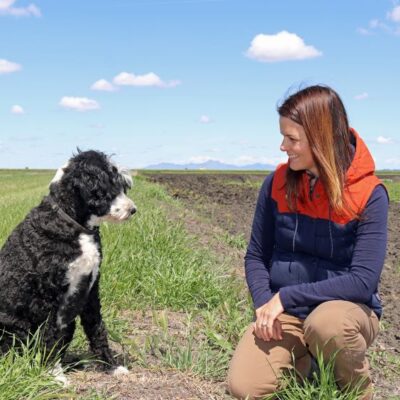
11 years ago, former science teacher Kim Gallagher swapped the classroom for the farm.
Read more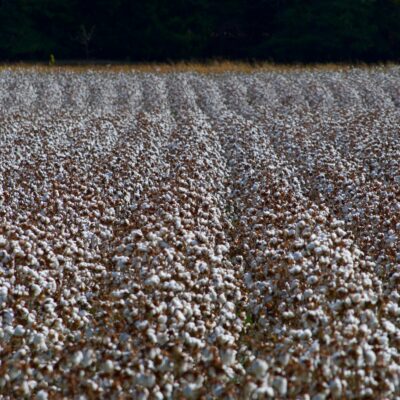
Lloyd Arthur is a fifth-generation cotton farmer living in Ralls, Texas and whohas created an award-winning farming operation.
Read more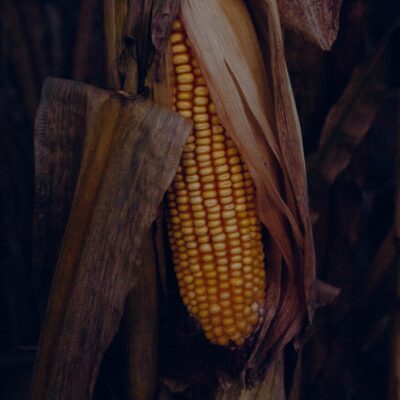
The initiative will focus on row crop rotations to build on the company’s 2030 climate commitment.
Read more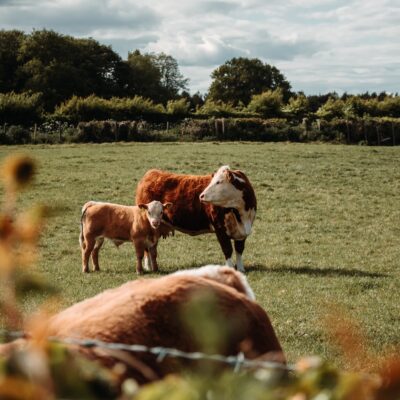
Tina Hinchley is a dairy farmer in Cambridge, Wisconsin – America’s dairy land. She and husband Duane grow around 2,300 acres of crops, not only to be used as cattle […]
Read more
The past decade has brought a wave of conscientiousness as consumers, especially Millennials and Gen-Z’s, seem more interested than ever before to know more about their food’s journey before it […]
Read more
Food Export USA – Northeast is a non-profit organization that promotes the export of food and agricultural products from the northeast region of the United States. The organization has been helping exporters of northeast food and agricultural products sell their products overseas since 1973, when it was first created as a cooperative effort between 10 northeastern state agricultural promotion agencies and the United States Department of Agriculture’s Foreign Agricultural Service (FAS). Food Export-Northeast, in conjunction with its member states, provides a wide range of services to facilitate trade between local food suppliers and importers around the world. These services include: export promotion, customized export assistance, and a cost-share funding program.
Read more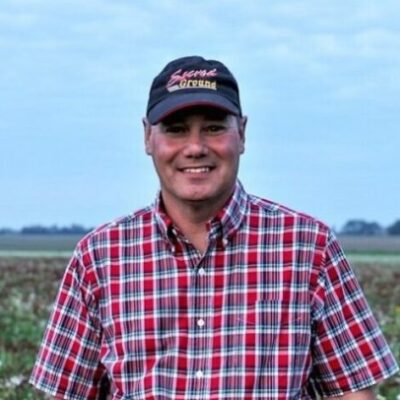
Indiana corn and soybean farmer Rick Clark is Field to Market’s Farmer of the Year 2019, recognized for “outstanding conservation efforts on his farm and leadership in advancing sustainable agriculture”. […]
Read more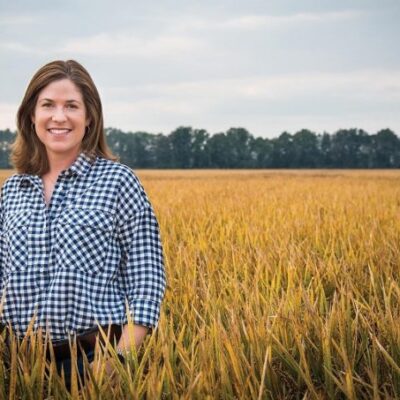
USA Rice farmer, Jennifer James, spoke to Farmers Guardian, a leading UK farming publication, about her life and what it is really like growing rice, corn and soybeans in Arkansas. […]
Read more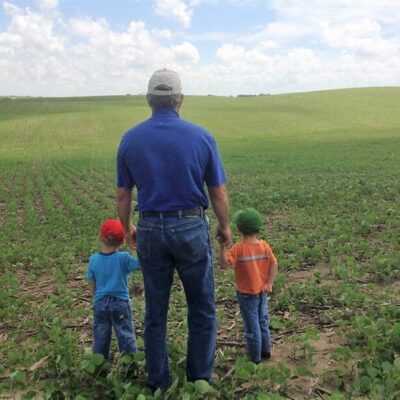
The United States has been practicing sustainability long before it became the issue it is today. Our farmers, fishermen, foresters and partners across a range of industries are committed to […]
Read more
What does the new EU Deforestation Regulation mean for U.S. hardwood exporters?
Read more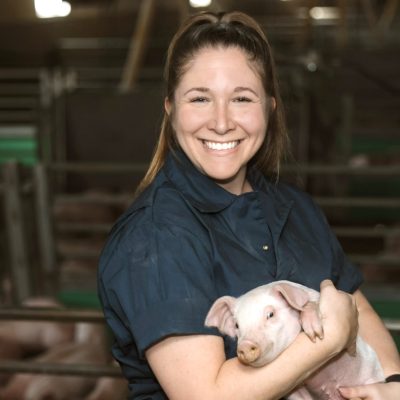
Stephanie Wetter, Director of Animal Welfare at the National Pork Board, shares her perspective on why there is no substitute for visiting a farm and seeing firsthand the reality of pork production.
Read more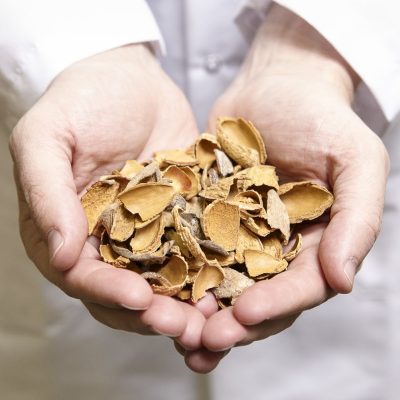
There’s more to our food than meets the eye, writes Kent Swisher of the North American Renderers Association (NARA) in a guest blog for SustMeme.
Read more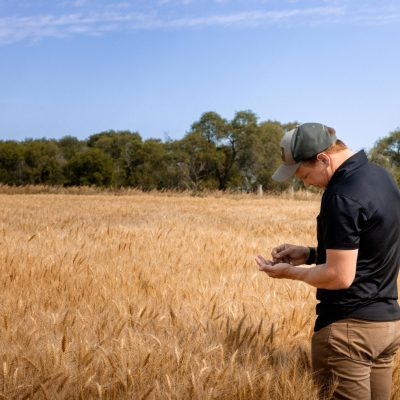
At Jorgensen Land & Cattle in Ideal, South Dakota, innovation and tradition go hand in hand.
Read more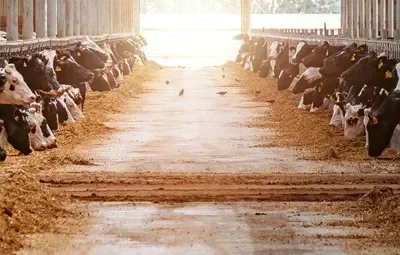
September 2026. An annual review of the U.S. animal food industry highlights its economic contribution and progress in areas including food safety, sustainability, supply chain resilience and international trade.
Download now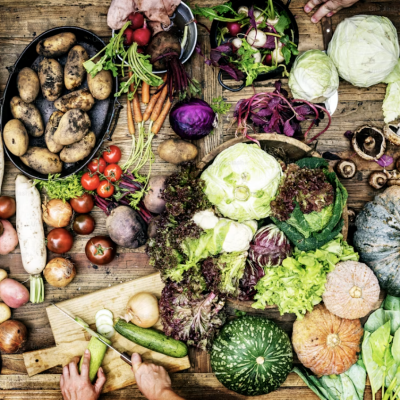
September 2026. A global modelling study examines how healthier diets, improved productivity and reduced food waste could reshape agricultural production, land use and emissions by 2050.
Download now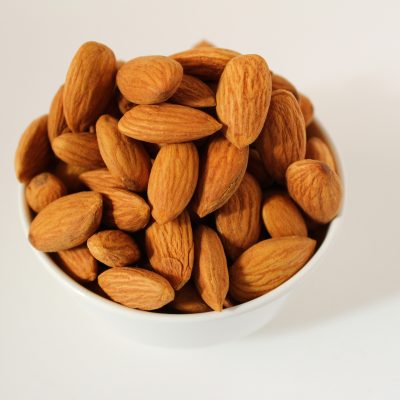
September 2026. An analysis of 2020-2024 grower self-assessment data finds broad adoption of regenerative practices across California almond orchards.
Download now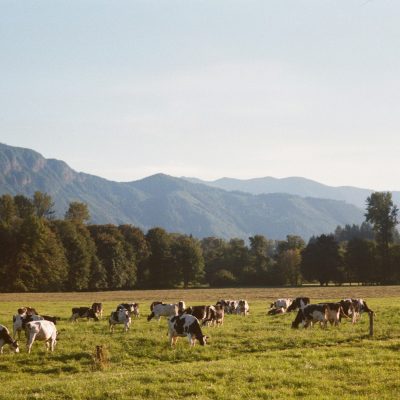
July 2026. An analysis of how cheese growth, shifting import demand and expanding U.S. production are reshaping global dairy trade.
Download now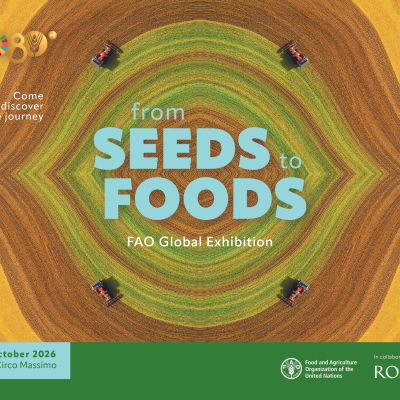
When FAO’s Global Exhibition From Seeds to Foods returns for its second edition in October, members of the U.S. Sustainability Alliance (USSA) will join forces to promote a deeper understanding of U.S. farming, fisheries and forestry under the theme “Fostering Innovation for Food Security and Nutrition.”
Read more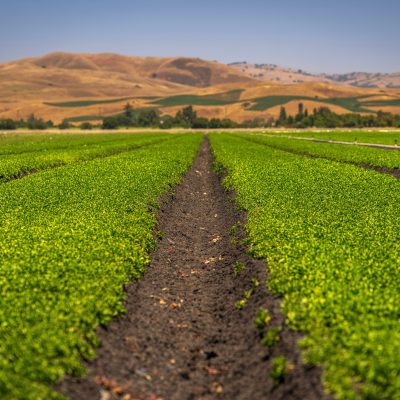
From 28 September to 2 October 2026, the U.S. Sustainability Alliance (USSA) will host a group of European media in California, America’s leading agricultural exporting state.
Read more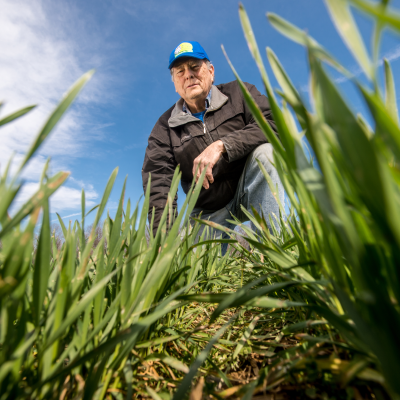
Interest in cover crops remains high among American producers and is expected to continue, according to the 2026 National Cover Crop Report.
Read more
Amid mounting pressure from climate volatility, water scarcity and rising input costs, U.S. farmers and ranchers are rethinking their water use and transforming how the nation grows its food. In this exclusive article, Carlos Suárez, Director of Global Sustainability at the U.S. Grains & BioProducts Council and Chair of the U.S. Sustainability Alliance, shares innovative examples of water stewardship.
Read more
Whilst the USSA members work to exceed regulatory requirement, U.S. laws and regulations provide a robust framework, developed over many years, to ensure and promote the sustainability of its crop, livestock, seafood and forestry sectors. The policies look to immediate impacts on the environment and beyond to cover topics from employment to biodiversity to endangered species. The following pages provide context and an introduction to key federal legislation.
Focused on conservation and environmental stewardship, the USDA, working with The Natural Resources Conservation Service on technical assessment and the Farm Service Agency for enforcements, uses grant management to deliver best practice. A particular focus is on erodible lands and wetlands, with ‘sodbuster’ and ‘swampbuster’ rules, requires presentation of conservation strategies prior to conversion of lands to agricultural use. One result, that soil loss has been halved since 1982.
The U.S. recognizes that sustainability has many facets and action is required in explicit areas. This has resulted in the enactment of a wide range of laws from the Clean Water Act and Clean Air Act to the Endangered Species Act, to research and regulatory action on Insecticides and Fungicides and Rodenticide Act; and, with the Lacey Act a focus on illegal trafficking of plants, fish and animals.
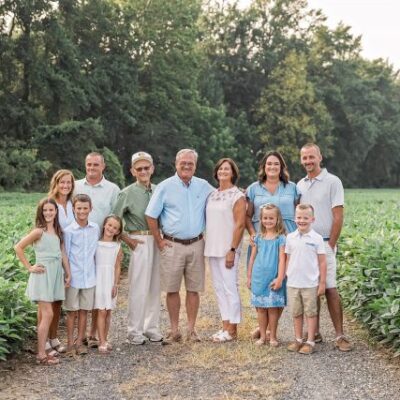
In the latest episode of This is U.S. Sustainability, we hear from two multi-generational farmers – an eleventh-generation grains farmer from Maryland and the owner of a centennial cattle farm in Louisiana – about how they have moved with the times while staying true to their roots. We cover rotational grazing, no-till cultivation, water conservation, biotech seeds, and more. And we discuss why going back to the natural cycle is sometimes the best approach.
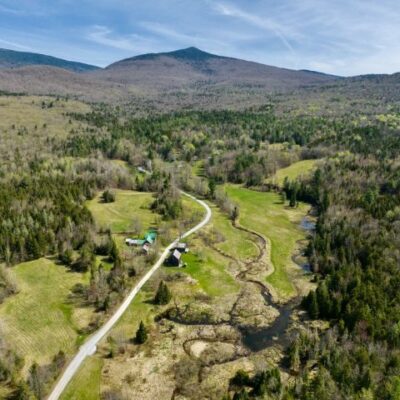
Tune in to the latest episode of This is U.S. Sustainability to hear how Paul Catanzaro and Professor Tony D’Amato work together to reach family forest owners and ensure they have the information and resources to make the right decisions about their land. And learn about the vital role Tim Stout, a Vermont landowner, plays in amplifying their message.

Tune in for the lowdown on the innovative, often surprising ways the almond industry and the wider food sector are reducing waste. Jet fuel, beer, water filters and peat moss to grow mushrooms – these are just some of the many applications in use and under development.
Discover how softwoods were used in the architecture of PDX Main Terminal, Portland, Oregon, in this new series from the Softwood Export Council.
Watch nowThis new series from the Softwood Export Council spotlights the global reach and versatility of American softwoods in architecture, offering a behind-the-scenes look at sustainable forestry practices.
Watch nowThis new series from the American Feed Industry Association explores the $267 billion U.S. animal food industry, offering insights into its scale and impact.
Watch now