14 members found: render

Kent Swisher Named President and CEO of the North American Renderers Association

He will also serve as President of the Fats and Proteins Research Foundation (FPRF), the rendering industry’s research organization, and take on the role of secretariat of the WRO (the organization representing the rendering industry worldwide).

Read more
Cattle Rendering is an Unsung Sustainability Success Story

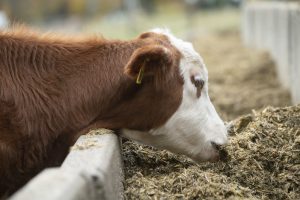
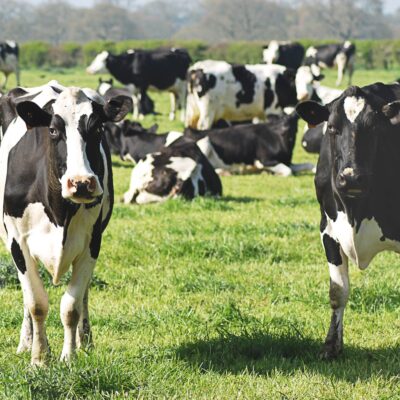
Without the rendering industry, U.S. landfills would be at capacity in just four years. That’s according to Kent Swisher, the president and CEO of the North American Renderers Association.

Read more

Rendering and Leather Reduce Environmental Impact

The rendering and leather industries come into their own in ways that reduce environmental impact, benefit the economy and are, most probably, the ultimate in sustainability.

Read more

North American Renderers Association

Since 1933, the North American Renderers Association (NARA) has been helping the rendering industry grow, advance, and become leaders in recycling and sustainability. The rendering industry consists of more than three-dozen firms operating more than 200 plants across the U.S. and Canada.

From the slaughter of more than 150 million head of cattle, calves, hogs, and sheep and more than 55 billion pounds of poultry annually, an enormous amount of byproducts are transformed into nearly 20 billion pounds of highly valuable feed and industrial products in the form of various types of fats and proteins. Rendering is a green industry that protects the environment by recycling carbon and energy and allowing items such as byproducts to be utilized as valuable pet or livestock feed ingredients or biodiesel rather than entering a landfill. Rendering is the most efficient and environmentally sound disposal alternative and has a low carbon footprint.

Read more
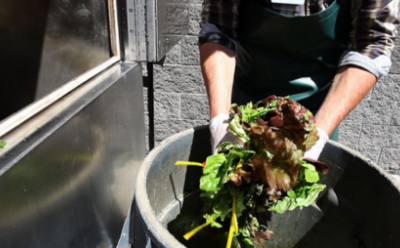
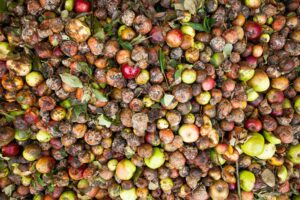
Reduce, Reuse, Recycle, Render: Tackling Food Loss

By David Green, U.S. Sustainability Alliance, November 3, 2018 In the November issue of European Supermarket Magazine (ESM), USSA’s David Green tackled the issue of food waste. At a time […]

Read more
USSA Newsletter: April 2026

This month focuses on technology and innovation. We highlight a new initiative aimed at accelerating U.S. farmers’ adoption of emerging technologies – real-world testing and performance data are key.

Read more

Rethinking Agricultural Waste for a Circular Food Economy

There’s more to our food than meets the eye, writes Kent Swisher of the North American Renderers Association (NARA) in a guest blog for SustMeme.

Read more

Animal Feed Consumption, February 2025

February 2025. The latest trends in animal feed consumption and sustainability across U.S. livestock, poultry and aquaculture.

Read more
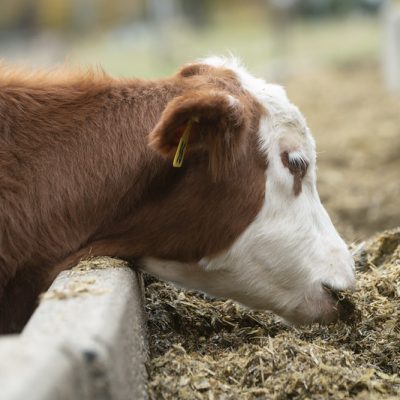
More than a Third of U.S. Animal Diets Include “Circular” Ingredients

In 2023, U.S. livestock, poultry and farmed aquaculture consumed nearly 284 million tons of feed. Beef cattle consumed the largest share, and aquaculture led the way in using “circular” ingredients – byproducts from other industries.

Read more

Meet USSA in the UK, Germany, Belgium and Spain This October!

U.S. Sustainability Alliance (USSA) members will be championing sustainability at events across Europe this October. They’ll be exhibiting at the ANUGA trade show in Cologne, speaking at Food Integrity Global […]

Read more

14 results found: render

Kent Swisher Named President and CEO of the North American Renderers Association

He will also serve as President of the Fats and Proteins Research Foundation (FPRF), the rendering industry’s research organization, and take on the role of secretariat of the WRO (the organization representing the rendering industry worldwide).

Read more

Cattle Rendering is an Unsung Sustainability Success Story

Without the rendering industry, U.S. landfills would be at capacity in just four years. That’s according to Kent Swisher, the president and CEO of the North American Renderers Association.

Read more

Rendering and Leather Reduce Environmental Impact

The rendering and leather industries come into their own in ways that reduce environmental impact, benefit the economy and are, most probably, the ultimate in sustainability.

Read more

North American Renderers Association

Since 1933, the North American Renderers Association (NARA) has been helping the rendering industry grow, advance, and become leaders in recycling and sustainability. The rendering industry consists of more than three-dozen firms operating more than 200 plants across the U.S. and Canada. From the slaughter of more than 150 million head of cattle, calves, hogs, and sheep and more than 55 billion pounds of poultry annually, an enormous amount of byproducts are transformed into nearly 20 billion pounds of highly valuable feed and industrial products in the form of various types of fats and proteins. Rendering is a green industry that protects the environment by recycling carbon and energy and allowing items such as byproducts to be utilized as valuable pet or livestock feed ingredients or biodiesel rather than entering a landfill. Rendering is the most efficient and environmentally sound disposal alternative and has a low carbon footprint.

Read more

Reduce, Reuse, Recycle, Render: Tackling Food Loss

By David Green, U.S. Sustainability Alliance, November 3, 2018 In the November issue of European Supermarket Magazine (ESM), USSA’s David Green tackled the issue of food waste. At a time […]

Read more

USSA Newsletter: April 2026

This month focuses on technology and innovation. We highlight a new initiative aimed at accelerating U.S. farmers’ adoption of emerging technologies - real-world testing and performance data are key.

Read more

Rethinking Agricultural Waste for a Circular Food Economy

There’s more to our food than meets the eye, writes Kent Swisher of the North American Renderers Association (NARA) in a guest blog for SustMeme.

Read more

Animal Feed Consumption, February 2025

February 2025. The latest trends in animal feed consumption and sustainability across U.S. livestock, poultry and aquaculture.

Read more

More than a Third of U.S. Animal Diets Include “Circular” Ingredients

In 2023, U.S. livestock, poultry and farmed aquaculture consumed nearly 284 million tons of feed. Beef cattle consumed the largest share, and aquaculture led the way in using “circular” ingredients - byproducts from other industries.

Read more

Meet USSA in the UK, Germany, Belgium and Spain This October!

U.S. Sustainability Alliance (USSA) members will be championing sustainability at events across Europe this October. They’ll be exhibiting at the ANUGA trade show in Cologne, speaking at Food Integrity Global […]

Read more
Insights and Opinion

INSIGHT: European Commission Eases EUDR Rules for EU Producers, Leaves Importers Behind

What does the new EU Deforestation Regulation mean for U.S. hardwood exporters?

Read more

Why Farm Tours Still Matter

Stephanie Wetter, Director of Animal Welfare at the National Pork Board, shares her perspective on why there is no substitute for visiting a farm and seeing firsthand the reality of pork production.

Read more

Rethinking Agricultural Waste for a Circular Food Economy

There’s more to our food than meets the eye, writes Kent Swisher of the North American Renderers Association (NARA) in a guest blog for SustMeme.

Read more

Raising the Bar in Wheat and Livestock Farming in South Dakota

At Jorgensen Land & Cattle in Ideal, South Dakota, innovation and tradition go hand in hand.

Read more

Latest Reports

World Dairy Map 2026: Cheese Leads Growth as Supply Power Shift

July 2026. An analysis of how cheese growth, shifting import demand and expanding U.S. production are reshaping global dairy trade.

Download now

OECD-FAO Agricultural Outlook 2026-2035

July 2026. An annual forecast of trends in agricultural production, trade, food consumption, and fisheries through to 2035 at national, regional, and global levels.

Download now

2026 Cross-Sector Dialogue: Risk & Resilience

June 2026. A review of the economic, structural and operational challenges affecting sustainable row-crop agriculture, with practical opportunities for stronger cross-sector coordination.

Download now

A Study of the Economic Contribution of Corn Farming in the United States for 2025

June 2026. A new study finds that U.S. corn farming generated an estimated $142 billion in economic output in 2025.

Download now

Latest News Articles

USSA Newsletter: July 2026

Hello and welcome to the latest USSA newsletter - our final edition before the summer break.

Read more

Montna Farms: Cultivating Rice While Nurturing Vital Bird and Salmon Habitat

Montna Farms, a multi-generational rice farm in Sutter County, California, stands as a leader in sustainability, wildlife conservation and innovation.

Read more

Record Corn Crop Delivers $142 Billion to U.S. Economy

In 2025, U.S. corn growers achieved record production, according to a new study by the National Corn Growers Association (NCGA).

Read more

EU’s New Rules Mark a Pivotal Moment for U.S. Agriculture 

The European Parliament’s decision to adopt new rules for the regulation of gene-edited crops marks a turning point that U.S. policymakers, farmers and innovators cannot afford to ignore.

Read more

Policies and Regulations

U.S. LAWS AND REGULATIONS

Whilst the USSA members work to exceed regulatory requirement, U.S. laws and regulations provide a robust framework, developed over many years, to ensure and promote the sustainability of its crop, livestock, seafood and forestry sectors. The policies look to immediate impacts on the environment and beyond to cover topics from employment to biodiversity to endangered species. The following pages provide context and an introduction to key federal legislation.

READ MORE

U.S. CONSERVATION PROGRAMS

Focused on conservation and environmental stewardship, the USDA, working with The Natural Resources Conservation Service on technical assessment and the Farm Service Agency for enforcements, uses grant management to deliver best practice. A particular focus is on erodible lands and wetlands, with ‘sodbuster’ and ‘swampbuster’ rules, requires presentation of conservation strategies prior to conversion of lands to agricultural use. One result, that soil loss has been halved since 1982.

READ MORE

U.S. SUSTAINABILITY LAWS

The U.S. recognizes that sustainability has many facets and action is required in explicit areas. This has resulted in the enactment of a wide range of laws from the Clean Water Act and Clean Air Act to the Endangered Species Act, to research and regulatory action on Insecticides and Fungicides and Rodenticide Act; and, with the Lacey Act a focus on illegal trafficking of plants, fish and animals.

READ MORE

Latest Podcasts

EP8- FARMING HERITAGE: RESPECTING TRADITION, EMBRACING CHANGE

In the latest episode of This is U.S. Sustainability, we hear from two multi-generational farmers – an eleventh-generation grains farmer from Maryland and the owner of a centennial cattle farm in Louisiana – about how they have moved with the times while staying true to their roots. We cover rotational grazing, no-till cultivation, water conservation, biotech seeds, and more. And we discuss why going back to the natural cycle is sometimes the best approach.

LISTEN NOW

EP7- FORESTS AND THEIR ROLE AS A NATURAL CLIMATE SOLUTION

Tune in to the latest episode of This is U.S. Sustainability to hear how Paul Catanzaro and Professor Tony D’Amato work together to reach family forest owners and ensure they have the information and resources to make the right decisions about their land. And learn about the vital role Tim Stout, a Vermont landowner, plays in amplifying their message.

LISTEN NOW

EP6- FROM JET FUEL TO BEER: NEW USSA PODCAST UNCOVERS INNOVATIVE USES FOR FOOD WASTE

Tune in for the lowdown on the innovative, often surprising ways the almond industry and the wider food sector are reducing waste. Jet fuel, beer, water filters and peat moss to grow mushrooms – these are just some of the many applications in use and under development.

LISTEN NOW

Recent Videos

Wood in Architecture: Building with U.S. Softwoods [2/2]

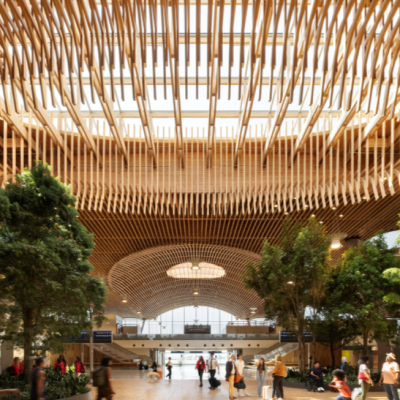
Discover how softwoods were used in the architecture of PDX Main Terminal, Portland, Oregon, in this new series from the Softwood Export Council.

Watch now

Wood in Architecture: Building with U.S. Softwoods [1/2]

This new series from the Softwood Export Council spotlights the global reach and versatility of American softwoods in architecture, offering a behind-the-scenes look at sustainable forestry practices.

Watch now

Industry Excellence Video Series

This new series from the American Feed Industry Association explores the $267 billion U.S. animal food industry, offering insights into its scale and impact. 

Watch now