
The European Parliament at its meeting in Strasbourg on June 6 will review a resolution aimed at finding technological solutions for sustainable agriculture. The report states that technological innovation is […]
Read more
The U.S. organic industry posted record sales in 2015 with total organic product sales hitting $43.3 billion, up 11% from the previous year’s record level and outstripping the overall food market’s growth rate of 3%.
Read more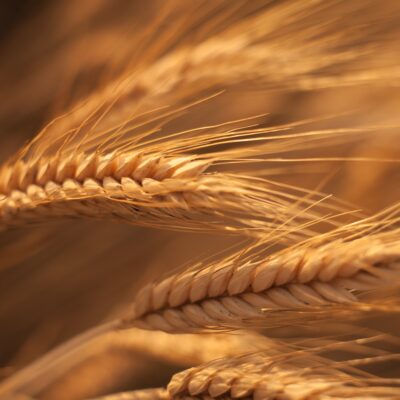
Scientists in the United Kingdom have pioneered a new gene-detecting technology which could bring higher yields and ‘vastly’ reduce the need for agro-chemical applications.
Read more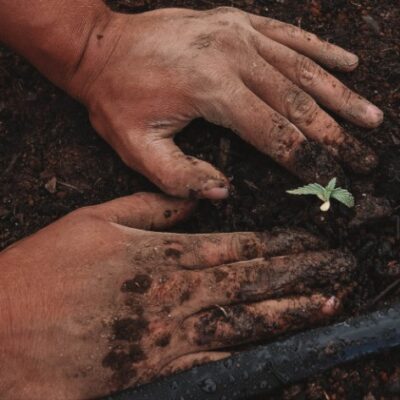
Precision farming, and recent technologies, including the satellite ones, will lead to more sustainable production, more efficient use of water and other resources and higher farmers’ income.
Read more
The USSA was the featured booth at SIAL Canada when U.S. Ambassador Bruce Hayman cut the ribbon to officially open the USA Pavilion on Wednesday April 13 in Montreal.
Read more
The food show will bring together 850 exhibitors and 15,000 visitors from more than 60 other countries, with distinction to the USA Pavilion and its new and innovative products.
Read more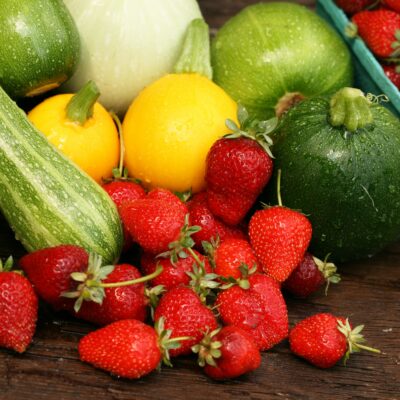
U.S. food and beverages will be featured at Canada’s largest food exhibition, SIAL Canada, which opens its doors next week in Montreal to more than 15,000 visitors from 60 countries.
Read more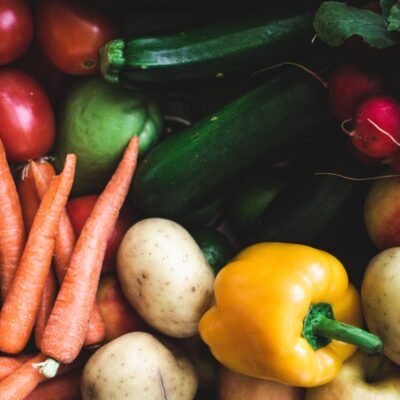
There are now 21,781 certified organic food operations in the United States - a 300% increase since 2002.
Read more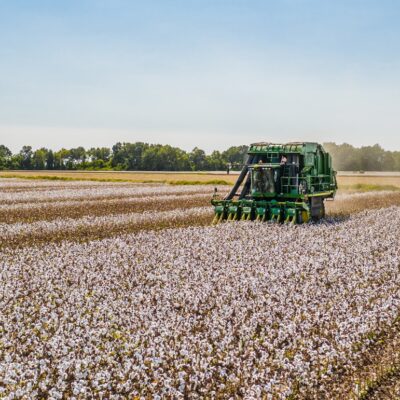
The long-term challenges of sustainable agriculture in the EU should be met jointly to ensure support for technological innovation, a regulatory framework that is risk-based, underpinned by scientific evidence, continuity of basic and applied research and the development of agri-related skills.
Read more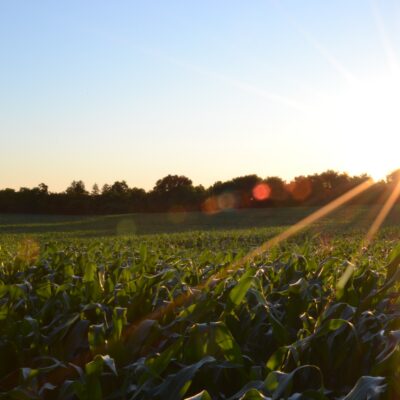
The global agriculture model needs to be reformed to find a better balance between food production and environmental management, an international conference has heard.
Read more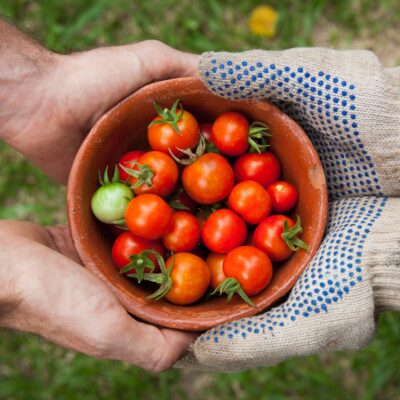
It covers agricultural upstream and downstream sectors from input supply to production, post-harvest handling, processing, transportation, marketing, distribution and retailing.
Read more
This will improve the nation's water quality, combat drought, enhance soil health, support wildlife habitat and protect agricultural viability.
Read more
