
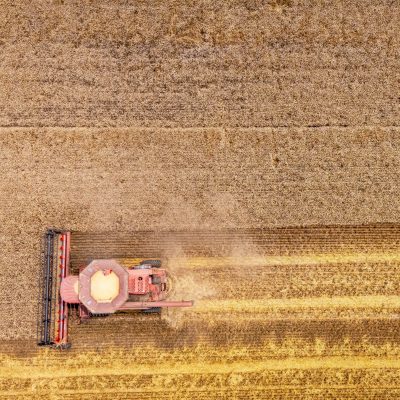
Global agricultural total factor productivity (TFP), the ratio of agricultural output to input, is declining, and its rate of growth currently falls well below what is needed to meet projected demand by 2050. However, under the right conditions, regenerative agriculture can help reverse this trend, according to the 2026 Global Agricultural Productivity (GAP) Report, published by Virginia Tech’s Global Agricultural Productivity (GAP) Initiative.
Read more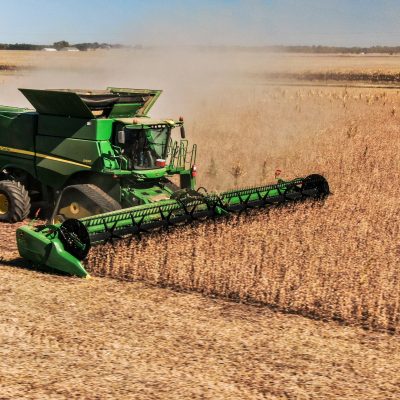
September 2026. Virginia Tech’s annual GAP Report finds global agricultural productivity growth has fallen to its lowest rate in 50 years, increasing pressure on farmers, food systems and natural resources.
Read more
September 2026. An analysis of 2020-2024 grower self-assessment data finds broad adoption of regenerative practices across California almond orchards.
Read more
A $700 million Regenerative Pilot Program has been introduced to help American farmers adopt practices that improve soil health, water quality and long-term productivity, while strengthening America’s food and fiber supply.
Read more
Meet Clint Wilcox of Fairview, Oklahoma, who grows a variety of crops including wheat, canola, sorghum and soybeans and raises cattle with his wife, Jessica.
Read more
27 January 2022: New research shows that crops grown using regenerative agriculture practices, such as no-till, cover crops, and diverse rotations, have a healthier nutritional profile than their conventionally grown equivalents.
Read more
