

The evolving bioeconomy offers a significant opportunity for California agriculture, according to a recent University of California Giannini Foundation of Agricultural Economics publication. In The Bioeconomy and Its Potential to Enhance California Agriculture, researchers explain how byproducts, forest materials and food waste can be converted into higher-value products, reducing waste and generating new revenue. However, they emphasize that unlocking these benefits will require overcoming regulatory and financial barriers and investing in extension, workforce training and partnerships between universities and industry.
“The bioeconomy represents a transformative pathway for addressing 21st-century challenges of climate change, environmental degradation and rural economic decline,” said issue co-editor David Zilberman, a professor of the graduate school in the Department of Agricultural & Resource Economics.
The UC Giannini Foundation researchers examine three dimensions of opportunities in three dedicated articles, covering:
- California’s San Joaquin Valley, which shows how converging pressures from water policy, labor scarcity and climate change can be redirected toward a circular bioeconomy built on local biological feedstocks.
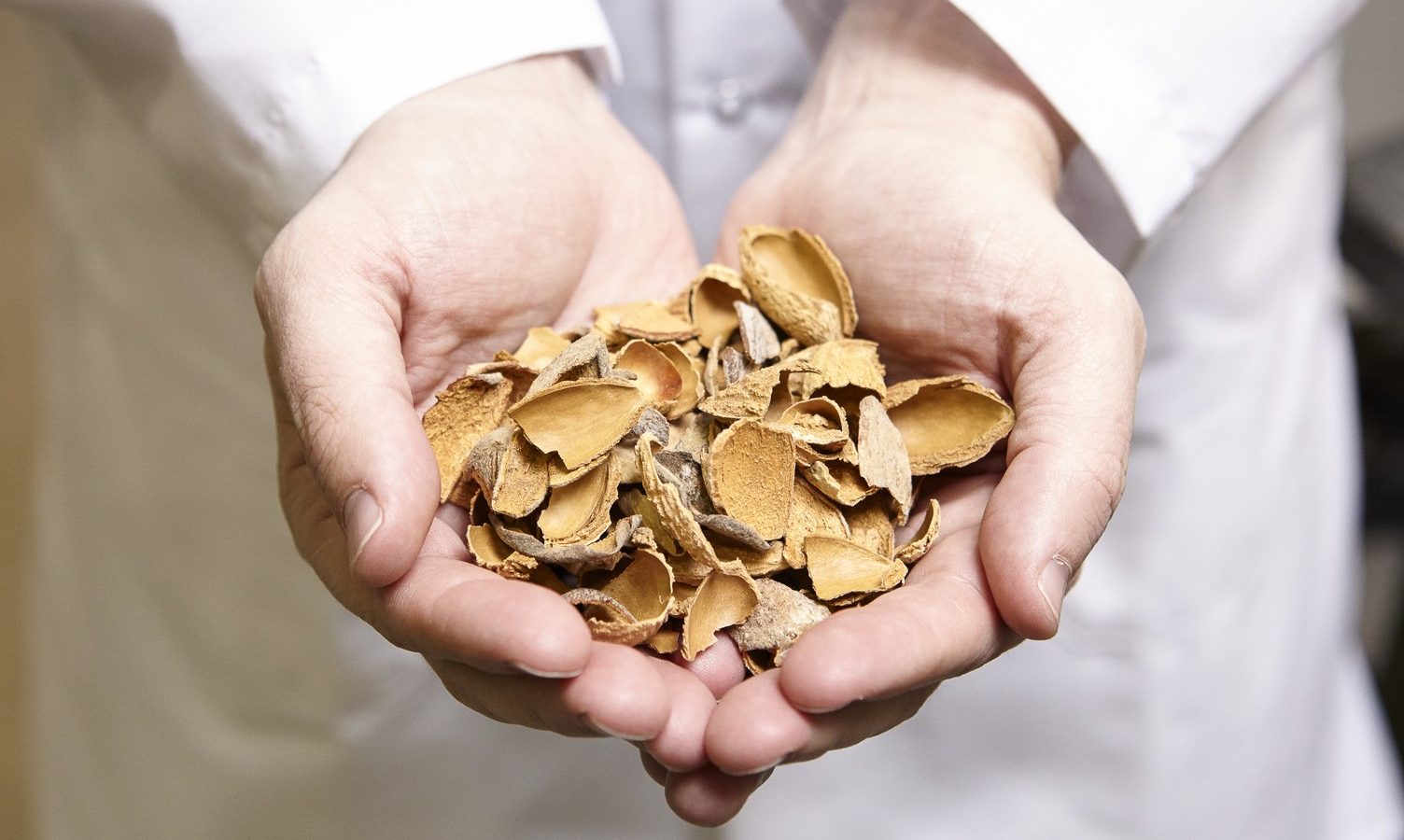
- California’s almond industry, which is already creating value through agricultural circularity. For example, almond hulls sold as livestock feed support a market worth an estimated $160 million to $230 million annually. A secondary market for returning almond shells to orchards as a potassium amendment and mulch could generate an additional $21 million to $31 million annually while recycling nutrients, improving soil health and reducing waste.
- The rapidly evolving occupations and skills needed for a growing bioeconomy. New data shows that job postings related to the bioeconomy in the state increased 14-fold between 2015 and 2025, with forestry emerging as the largest source of bioeconomy-related employment. This underlines the need for workforce training and development as the sector continues to grow.
To learn more about California’s growing bioeconomy, read the Special Issue of ARE Update Vol. 29, No. 5, The Bioeconomy and Its Potential to Enhance California Agriculture https://giannini.ucop.edu/filer/file/1782493834/21694/.