


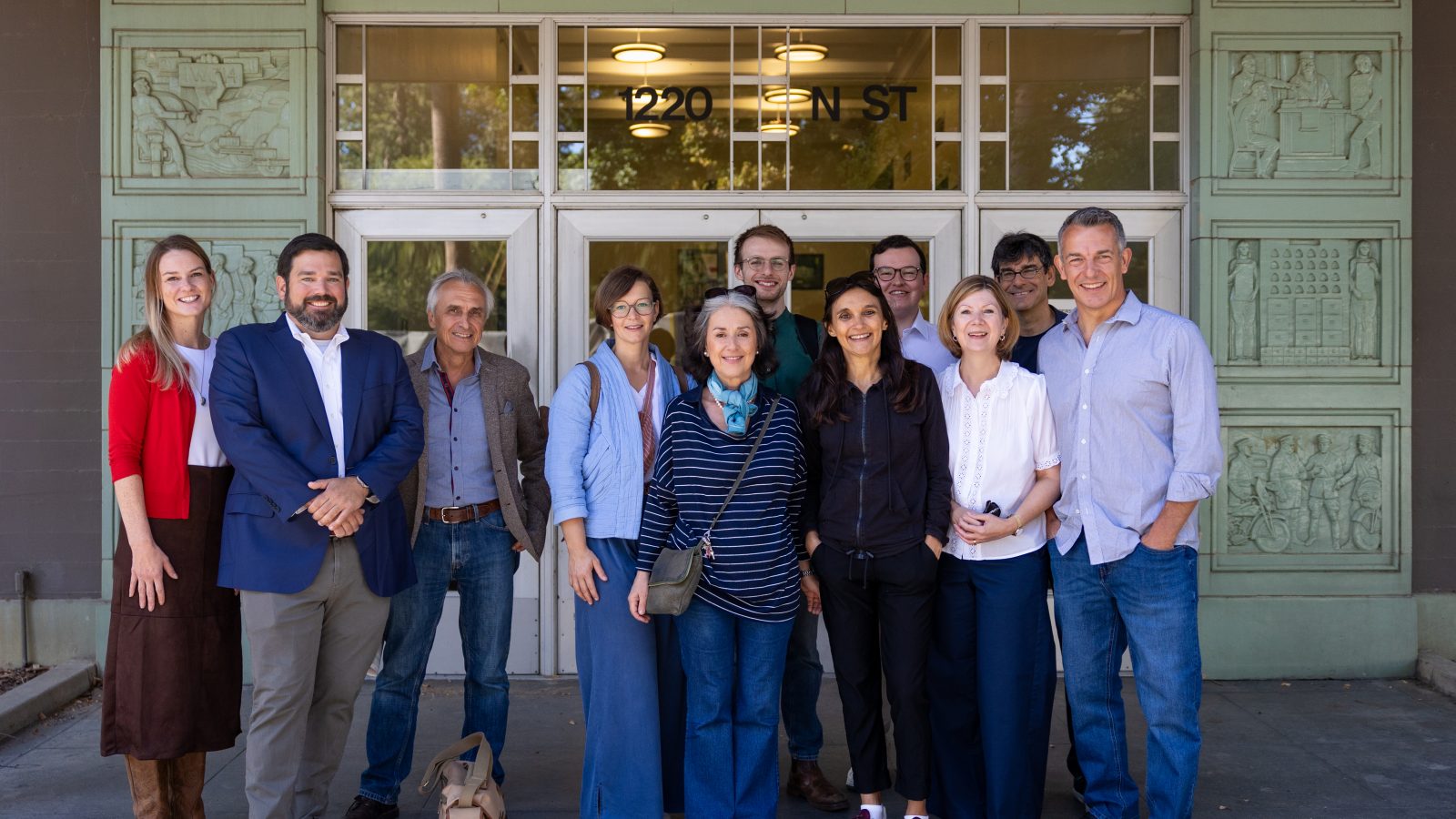
Photo: Credit Nick Roach USSA
The annual U.S. Sustainability Alliance press trip gives international journalists a unique opportunity to engage directly with farmers and ranchers and gain first hand insights into sustainability practices. This year, we travelled to California, the leading agricultural-exporting state and home to some 400 commodities and crops. The program kicked off at the California Department of Food and Agriculture (CDFA) in Sacramento, where CDFA Secretary Karen Ross set the tone for the week. The following reflects her insights.
California is the United States’ agricultural powerhouse, leading the nation with more than $64 billion in farm-gate value as of 2025. Yet its success depends not only on production and exports, but also on how it addresses the challenges of farming sustainably and efficiently in a highly populated and regulated state.
Despite its vast scale, California agriculture remains firmly rooted in family ownership. More than 93% of the state’s farms are family-owned, and more than 60% are under 100 acres. This focus on family fosters a long-term vision that prioritizes generational succession over short-term profits.
California’s farmers operate under intense pressure from population growth, regulation, and variable climate conditions. However, rather than stifling progress, these pressures have inspired innovation:
- Water: With drought and groundwater scarcity ever-present, California has pioneered efficient irrigation systems and groundwater recharge strategies (such as those at Terranova Ranch – story to follow). A state-funded on-farm water-use and energy-efficiency program saves 1.5 million acre-feet of water annually while reducing greenhouse gas emissions by shifting to more energy-efficient technologies.
- Climate: The state is leveraging agriculture to meet its ambitious climate targets, investing nearly $800 million in programs like dairy digesters (to reduce methane), healthy soils, renewable energy, and responsible practices. By 2045, California aims to achieve carbon neutrality, with agriculture expected to conserve and manage more than three million acres a year under climate-smart, organic, or regenerative farming practices.
- Biodiversity: As home to more species of plants and animals than any other state in the nation, California is a biodiversity hotspot. For example, historically, burning rice stubble after harvest was common, but it raised environmental concerns about poor air quality, greenhouse gas emissions, and health impacts. Now, rice growers are flooding their fields instead. This practice has led to unexpected but welcome benefits for wildlife, creating surrogate wetlands, a so-called “hospitality center”, for more than ten million birds every year and a winter nursery for juvenile Chinook salmon.
- Circular Economy: Agricultural waste is increasingly seen as a valuable resource, with initiatives turning manure, biomass, co-products, and food-processing by-products into energy and fertilizer.
Measurement and Transparency
Secretary Ross stressed that credible sustainability demands measurement, verification, and transparency. As global supply chains and food companies make sustainability claims, especially around Scope 3 emissions, California is pushing for harmonized, outcome-based standards to avoid greenwashing and build trust.
Economic Sustainability
For California’s farmers, sustainability must make business sense. Practices that save water, energy, or other inputs not only help the environment but also lower costs and increase resilience to extreme weather or market shifts. Grants and state investment can de-risk adoption, but solutions must ultimately be economically viable to endure.
Global Collaboration and Export Activity
California’s sustainability leadership not only protects its resources but enhances its role as a trusted global supplier. The state exports specialty crops, such as almonds, wine, rice, and more, and international buyers increasingly demand proof of sustainable practices. California is active in global collaboration, working with European and other international partners on climate, technology, and agricultural innovation.