

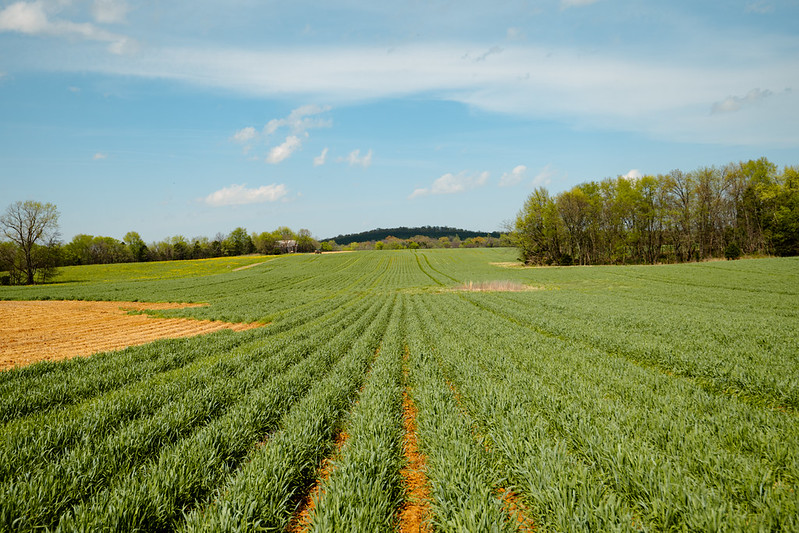
Image credit: Justin Pius
A $700 million Regenerative Pilot Program has been introduced to help American farmers adopt practices that improve soil health, water quality and long-term productivity, while strengthening America’s food and fiber supply.
“Protecting and improving the health of our soil is critical not only for the future viability of farmland, but to the future success of American farmers,” said U.S. Secretary of Agriculture Brooke Rollins.
“In order to continue to be the most productive and efficient growers in the world, we must protect our topsoil from unnecessary erosion and improve soil health and land stewardship.”
Administered by the Natural Resources Conservation Service (USDA NRCS), the streamlined Regenerative Pilot Program aims to encourage “whole-farm” conservation planning. The idea is that producers can apply for regenerative practices that address all their resource concerns through a single application for easier access and greater impact.
In FY2026, USDA will be investing $700 million in the Pilot: $400 million through the Environmental Quality Incentives Program (EQIP) and $300 million through the Conservation Stewardship Program (CSP).