


A team at Appalachian State University (App State) has been awarded $1.82 million to transform surplus sweetpotatoes into value-added products, including plant-based milk. This innovative project, supported by the North Carolina Sweetpotato Commission, promises to deliver environmental and economic benefits by significantly reducing agricultural waste and creating new market opportunities for local farmers.
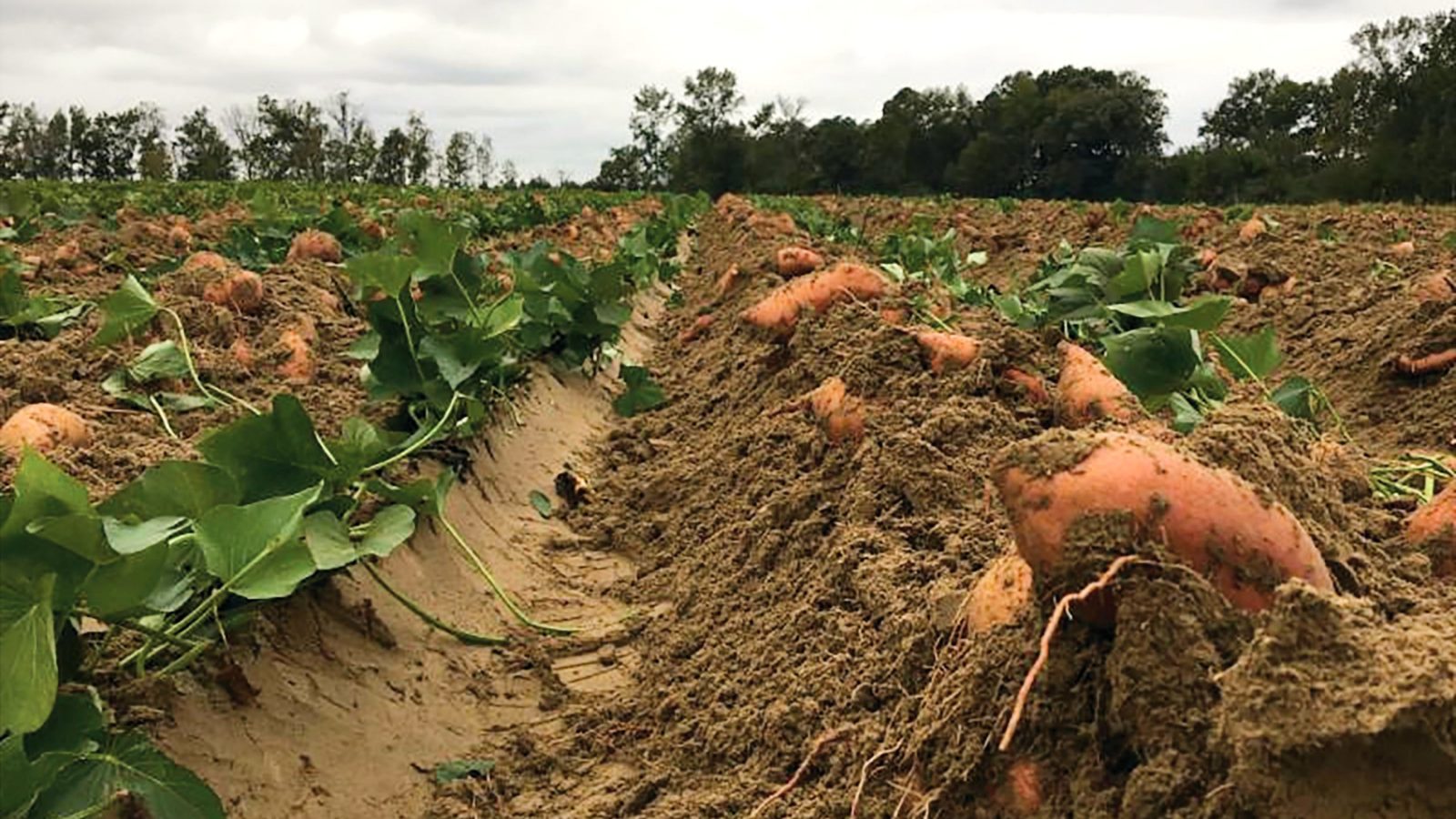
North Carolina is the number one sweetpotato-producing state, averaging nearly 60% of the U.S. supply. However, approximately 63 million pounds of sweetpotatoes are left to decompose in the fields each year because they fall short of USDA’s standards for being sold, costing farmers an estimated $13.2 million annually.
A new initiative, funded by the state-backed nonprofit NCInnovation, aims to change this by converting the unwanted crop into nutritious products, starting with plant-based milk, or Rootsii. Additional products, including creamers, ice cream, yogurt and a variety of fermented foods such as sweetpotato-based miso and fermented hot sauce, will be added over time.
The North Carolina Sweetpotato Commission, a USSA member, has played a leading role in securing raw product and supporting relationship-building across related industries. In partnership with a network of collaborators, the Commission is helping to move the project from concept to commercialization.
“This is an incredibly exciting project with an innovative team and offers a world of potential for our industry and state. We’re so proud to be able to support their efforts,” said Michelle Grainger, Executive Director of the North Carolina Sweetpotato Commission.
Launched in 2014, Rootsii is currently in the proof-of-concept stage and aims to be market-ready within two years.
Up-Close: The Rootsii-Making Process
The App State team, led by Professor Dr Brett Taubman, has developed a patent-pending process to make Rootsii milk using enzymes to break down the root’s long-chain starches. The resulting product is naturally high in vitamins A and C, potassium, magnesium and dietary fibre, and has a mild, natural sweetness without any added sugar.
Besides being locally sourced, Rootsii uses a fraction of the water needed to produce other popular plant-based milks, making it a sustainable choice.
“This product is made out of only sweetpotatoes, chia seeds as the emulsifier, a yeast-derived protein and coconut oil,” Taubman said. “That’s cheap and easy to source as well.”
Taubman said the coconut oil will eventually be replaced with muscadine grape seed oil, an abundant waste product of the North Carolina wine industry.
“Rootsii offers a new pathway to revitalize demand for sweetpotatoes and stabilize the regional agricultural economy,” Taubman said. “This is 100% a North Carolina product.”