

U.S. food and agriculture are the backbone of the American economy. They account for more than $9.5 trillion in domestic economic activity, directly support more than 24 million jobs and play a vital role in international trade, with exports estimated at $183 billion.
Read more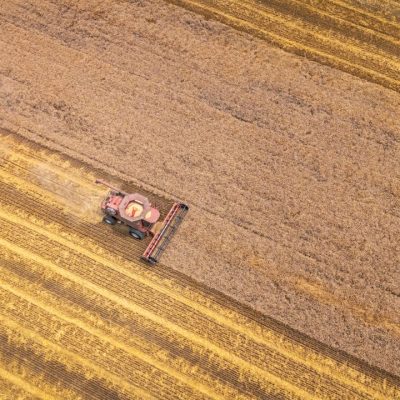
A new Life Cycle Analysis (LCA) confirms continuous improvement in the sustainability of U.S. wheat production.
Read more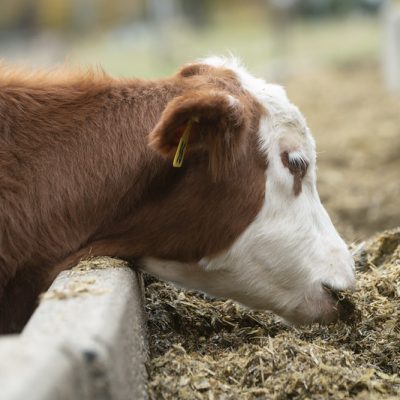
In 2023, U.S. livestock, poultry and farmed aquaculture consumed nearly 284 million tons of feed. Beef cattle consumed the largest share, and aquaculture led the way in using “circular” ingredients - byproducts from other industries.
Read more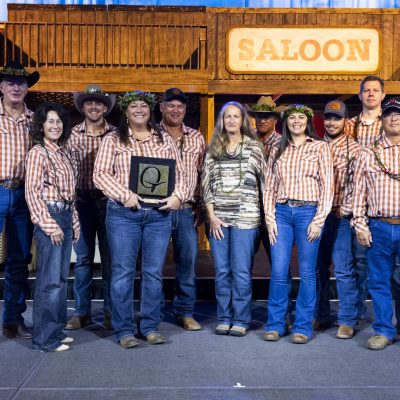
The old Hawaiian proverb “The land is chief, and man is its servant” guides Parker Ranch and its cow-calf operation. The ranch raises cattle in a way that respects natural resources while ensuring cattle health, beef quality and food safety.
Read more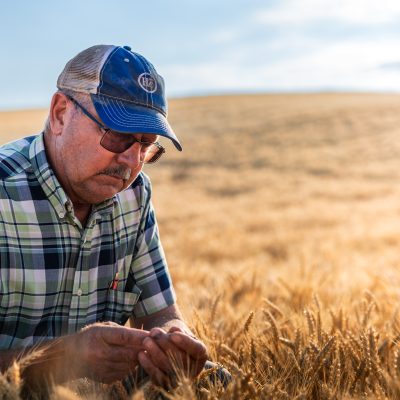
Art Schultheis, a fifth-generation wheat farmer from Colton, Washington, firmly believes in taking care of the land. With an ever-growing population and shrinking land base, Art says that growing crops sustainably is more important than ever.
Read more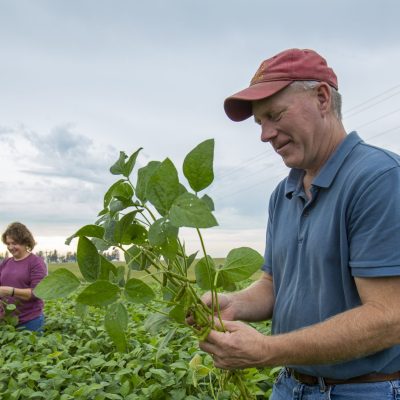
The U.S. Soy industry has updated its national sustainability continuous improvement goals to meet the growing demand for sustainably produced soy. Using 2020 as the benchmark, the new goals build on a history of sustainability improvements.
Read more
In December (2024), a delegation from the U.S. Sustainability Alliance (USSA) visited the UK, Belgium and The Netherlands to discuss climate-smart agriculture with government and industry stakeholders.
Read more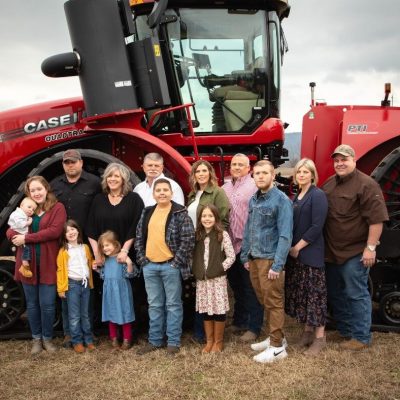
Family farms are the backbone of U.S. agriculture, accounting for 96% of operations and 83% of production in 2023.
Read more
We report from November’s United Nations Climate Change Conference (COP29), where Secretary Vilsack highlighted four years of historic investments and climate-smart progress, including almost $40 billion in Inflation Reduction Act funding. We also feature an exclusive article from the Leather & Hide Council of America’s Kevin Latner, discussing leather’s role as a climate solution in line with a new Leather Manifesto.
Read more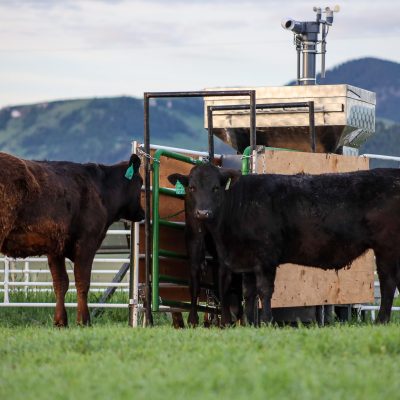
New research from The University of California, Davis suggests that seaweed could make cattle farming more sustainable. The study, the first to test seaweed on grazing beef cattle, found that feeding them seaweed in pellet form reduced their methane emissions by around 40% without negatively impacting their health or weight.
Read more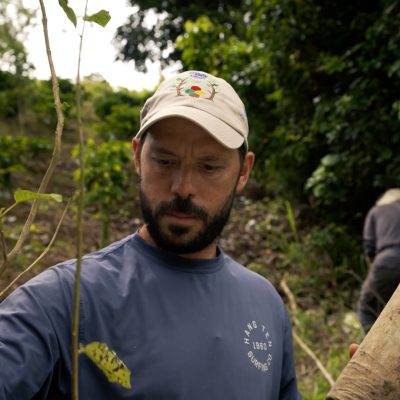
Even your morning coffee can be sustainable thanks to USDA’s Partnerships for Climate-Smart Commodities initiative, which aims to expand markets for commodities produced using climate-smart practices. One of the 135+ projects benefitting from this innovative program can be found in the mountains of Puerto Rico.
Read more
Tennessee cotton grower Bob Walker was named Farmer of the Year at Field to Market’s 2024 Sustainable Leadership Awards for his outstanding conservation efforts and leadership in advancing sustainable agriculture
Read more
