


Image credit: Shea Oleksa, Cornell University
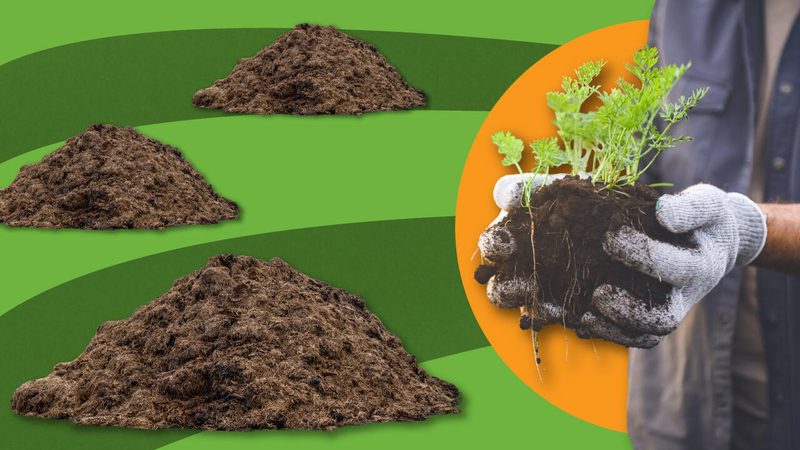
Nutrients recovered from livestock and human waste could dramatically reduce synthetic fertilizer use in the U.S., according to a new Cornell University study.
If fully recovered, researchers found that waste could theoretically meet all of the nitrogen (102%) and half of the phosphorus required by U.S. agriculture, with a value of more than $5.7 billion annually. However, there is often a mismatch between where waste is produced and where it is needed.
According to the study, nutrients tend to accumulate in population-dense, livestock-intensive areas, such as the Northeast and parts of the West, while deficits exist in the Midwest and the southern Great Plains.
“This is a coordination problem, not a resource problem,” said study co-author Professor Chuan Liao.
Waste as Local Solution
The research team says the solution lies in “local use and targeted redistribution”. They found that a large percentage of nutrients – 37% of nitrogen and 46% of phosphorus – can be used locally. At the same time, more than half of surplus nutrients can be reallocated to regions with nutrient deficits at relatively low cost.
Cost and Environmental Benefits
The study is published at a time when global fertilizer supply is uncertain and prices are high. Producing synthetic fertilizers also comes at an environmental cost.
“Excessive use of synthetic fertilizers leads to water pollution, and the production itself generates more emissions – it’s a very intensive process,” Liao said.
“And you can see with the Iran War, there are supply-chain issues that can lead to great food insecurity as well.” By contrast, reusing existing nutrients offers a more stable and potentially cleaner path.
Funding for the study came from the National Science Foundation and the U.S. Department of Agriculture, with seed funding from the Cornell Atkinson Center for Sustainability.